


Sign in with Google
Virality in 2026 is less about “getting lucky” and more about shipping repeatable creative systems that maximize retention, replays, saves, shares, and search discovery.
That’s why the fastest-growing brands and creators don’t chase one-off hits. They build a content engine around formats that consistently produce tiktok viral signals on both TikTok and Instagram Reels.
Below are the 10 best-performing formats to go viral on TikTok and Instagram in 2026, plus practical execution notes you can hand to a creator, editor, or agency team.

Short, native-feeling clips are still the core unit of distribution for TikTok and Reels, because they drive the easiest “completion” and “rewatch” loops.
Why it works in 2026: both platforms are aggressively optimizing for watch time efficiency. If your video hits early retention and finishes strong, it earns more test distribution.
How to execute (what top accounts do):
Hook patterns that reliably work:
Trends are still a distribution multiplier, but copy-paste trend participation has diminishing returns. The winners use trends as containers and add a twist that makes the content uniquely theirs.
Why it works in 2026: trends provide pre-qualified viewer context (people already understand the setup), which increases average watch time. The twist creates novelty, which increases shares.
How to execute:
Practical example: instead of “day in my life,” do “day in my life as a founder trying to get 100 signups with $0 ads,” then show the mini-plot.
Micro-learning keeps outperforming pure entertainment for many categories, especially in B2B, apps, and DTC, because it earns saves and shares.
Why it works in 2026: saves, shares, and rewatches are strong quality signals. Also, both platforms increasingly surface short videos in search results when the video clearly answers a query.
How to execute:
A simple structure:
If you want a great trend barometer for tutorial angles, TikTok’s Creative Center is still one of the most practical starting points.
This is the format that turns one video into a content moat: recurring episodes create habitual viewing, which boosts distribution over time.
Why it works in 2026: series formats improve returning viewers and session time. They also give you built-in “next video” intent, which helps followers convert into consistent viewers.
High-performing story arcs:
Execution tip: end with an open loop that is genuinely earned, not clickbait. Example: “Tomorrow we test this in the US account and the UK account, I’m betting one will flop. I’ll post the results.”
Collab formats are still a cheat code on TikTok, and Instagram’s Remix is closer than ever. Collaboration creates instant context and “network effects.”
Why it works in 2026: interactive engagement (replies, stitches, comment threads) generates platform-native signals that your content is part of a conversation, not a broadcast.
How to execute:
For brands, this is also the cleanest way to scale UGC distribution without feeling like an ad.
Trending audio remains a major reach lever, but the modern play is “audio + format.” Sound alone rarely carries weak creative.
Why it works in 2026: audio trends create a shared viewing language. They help people understand your pacing and punchline faster.
How to execute:
If you operate across markets, remember that audio trends can be regional. A sound that is exploding in France may be invisible in Canada. Testing across geo accounts is often the difference between “good content” and a breakout.
Highly produced content is not dead, but “real” is still what makes people stop scrolling. Especially for founders, teams, artists, and operators.
Why it works in 2026: audiences have developed strong “ad detectors.” Everyday authenticity lowers skepticism and increases comments because it feels relatable.
How to execute:
This format is also a long-term trust builder, which pays off when you later post conversion-oriented content.
POV and direct-address formats are designed to pull comments, which can “extend” the life of a video.
Why it works in 2026: early engagement velocity matters. Questions and POV setups prompt viewers to respond quickly, boosting distribution tests.
How to execute:
Keep the question aligned to your buyer persona. Broad questions increase comments but reduce audience quality.
Memes still produce the fastest share spikes, as long as you connect them to a real insight or niche truth.
Why it works in 2026: share behavior is one of the clearest viral signals. People share memes as social currency.
How to execute:
For B2B and apps, the sweet spot is “operator humor” that makes your ICP feel seen.
In 2026, going viral is not only feed-based. It’s also search-based. You can win views weeks after posting if you target high-intent queries.
Why it works in 2026: TikTok and Instagram increasingly behave like search engines for “how do I…,” “best…,” and “what is…” queries. Search discovery compounds.
How to execute:
Examples:
Most teams lose momentum because they copy the same edit everywhere without adapting for platform behavior. A few small adjustments usually outperform a full re-edit.
15 to 30 seconds is still the most reliable “high completion” zone, but 60 to 90 seconds can win on Reels when the narrative is strong and the pacing stays tight.
A practical operating rule:
A common mistake is placing the most commentable line at the end. Put it in the first third.
Instead of: “Thoughts?” at the end, do: “This is controversial, tell me if you disagree” at second 3.
In 2026, captions are not filler. They drive:
If you want comments and DMs, ask for a specific action: “Comment ‘plan’ and I’ll share the checklist.” (Then actually deliver.)
If you manage a growth team or agency, stop obsessing over views in the first hour. Watch the signals that predict distribution.
Focus on:
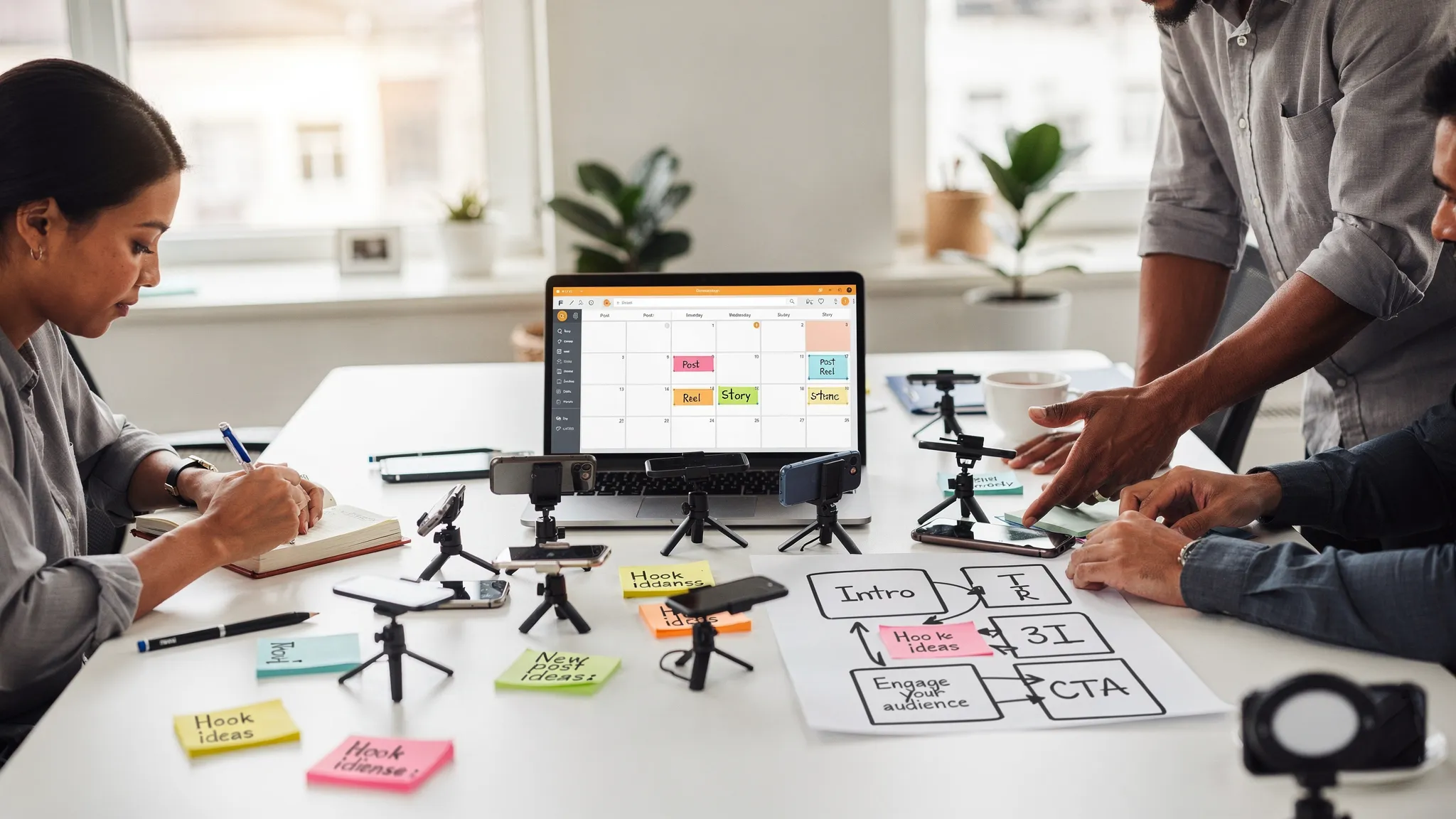
Once you have these 10 formats, the next constraint is operational: producing volume, posting consistently, and testing across audiences and countries without burning your team.
That’s the exact gap TokPortal is built for. It’s not just “accounts in other countries,” it’s infrastructure to run organic TikTok and Instagram at scale, from account creation to scheduling to analytics.
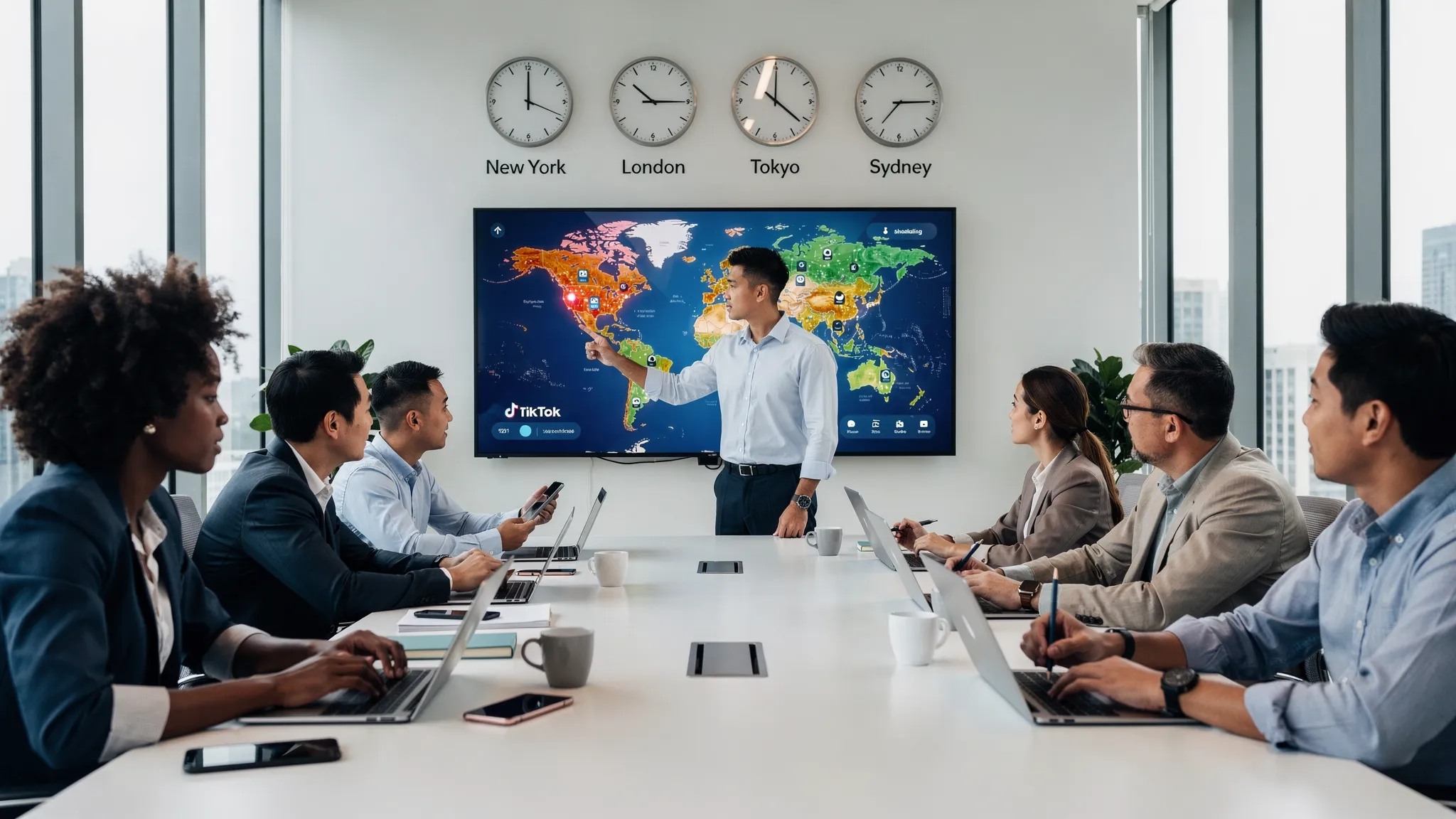
If your goal is to test which of these formats goes viral in different markets (US vs UK vs France, for example), you can:
You can start with the Quick Guide, or go straight to sign up. If you’re comparing options for a multi-account rollout, check pricing and the main site overview on the homepage.
If you want a realistic cadence that works for founders, marketers, and lean creator teams, aim for 5 to 7 posts per week per account:
Rotate the distribution multipliers (audio trends, collabs, search clips) on top of this base.
If you want more tactical playbooks on global organic growth, TokPortal’s blog covers multi-market workflows, localization, and account scaling strategies.

 Any question? Contact us.


%401x.svg)