


Sign in with Google
Duplicated content is one of the fastest ways to sabotage organic marketing on TikTok (and increasingly on Instagram Reels). It is also one of the most common mistakes teams make when they start scaling across multiple accounts, multiple countries, or TikTok Shop catalogs.
The trap is simple: you have a video that works, so you copy-paste it everywhere. The result is usually the opposite of what you want: weaker distribution, content removals, account risk, and a feed that feels less authentic to the audience you are trying to earn.
In plain terms, duplicated content is unoriginal video that you did not capture, do not own, or do not have the rights to use, or content that is effectively the same asset reposted with only minimal changes.
That includes:
A common real-world scenario: a brand runs several TikTok accounts (US, UK, FR, etc.) and publishes the exact same creative on all of them. Typically, only the account that publishes first is treated as the “authentic” origin. The rest can be flagged as duplicates, which is a bad place to be when you are trying to build durable organic reach.
Most marketers think about duplication as a compliance problem. It is that, but it is also a performance problem.
Organic marketing compounds when people feel they are following a real voice. If your videos look recycled, your retention drops, your comments shift toward skepticism, and your saves and shares soften. Those are exactly the signals you need to win distribution.
If you do not own the footage, the music, or the commercial usage rights, you are exposed. For TikTok Shop specifically, using other sellers’ content (or “almost the same” content) can trigger removals and violations. Even when you are not trying to steal, the system does not care about intent.
Teams scaling internationally often assume the hard part is “getting accounts.” In reality, the hard part is operating content across markets without turning your whole network into duplicates.
This is where infrastructure matters. TokPortal helps teams run organic at scale (account creation, scheduling, analytics, optimization), but the content strategy still needs to be built around originality. If you scale duplication, you scale risk.
You can absolutely reuse a winning concept across multiple videos and multiple markets. You just need to avoid reusing the same underlying asset.
A useful rule for teams is:
Replicate the insight, not the file.
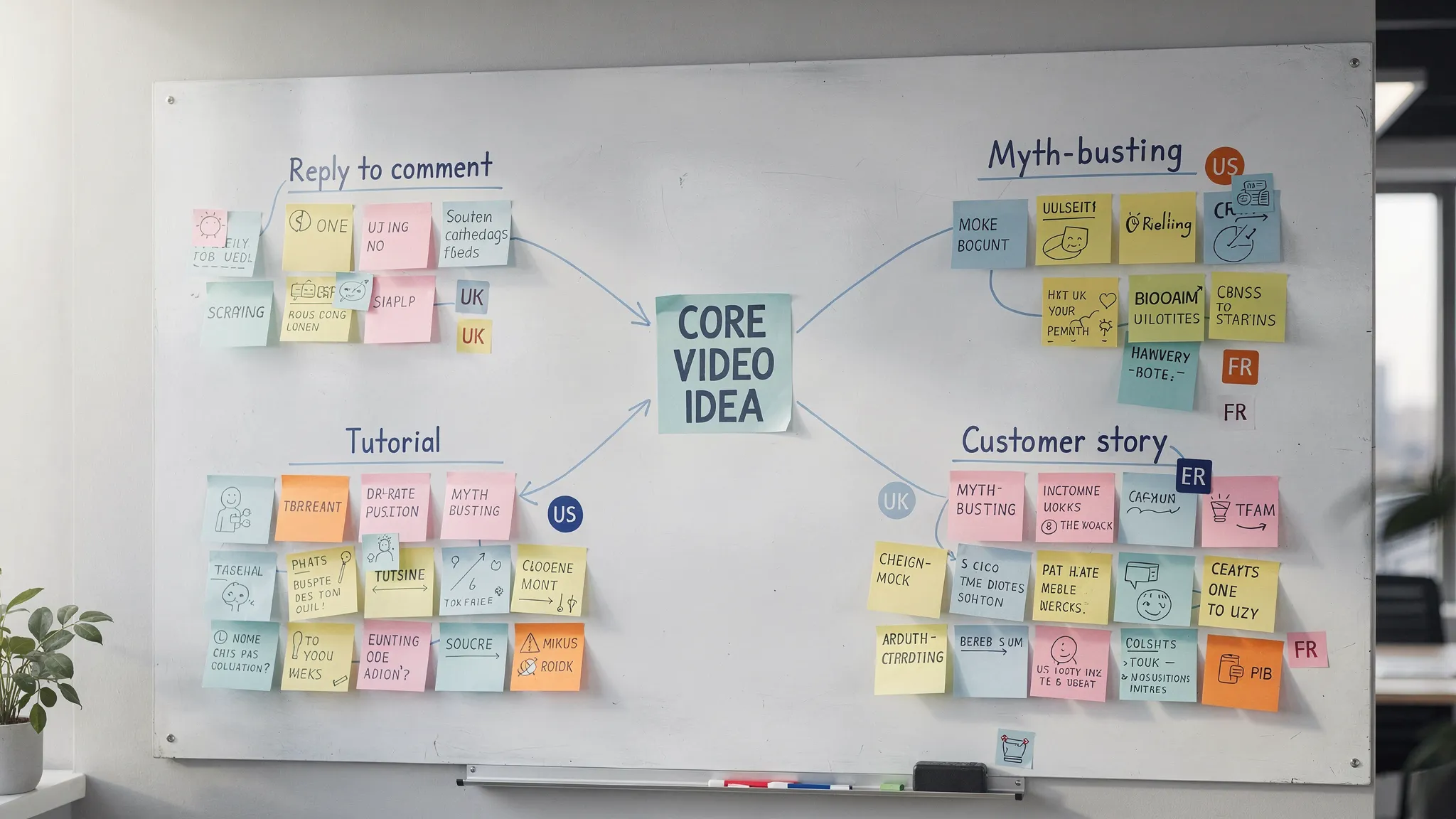
So instead of reposting the identical product demo everywhere, you create multiple executions of the same angle.
Example: if the insight is “people don’t understand setup,” you can create:
Same positioning. New video.
Editing adjustments can reduce similarity, but they are not magic. Trimming two seconds and changing the song is often still “the same content” to both the viewer and the detection systems.
Edits that usually help as part of a broader rework:
Two “don’ts” that commonly backfire:
If you have a 5-minute product breakdown and you cut it down to 30 seconds by deleting the important context, you may avoid duplication, but you also destroy clarity and conversion.
A better approach is to create a true summary cut: keep the core promise, keep one proof point, and end with a single next step. That is a new creative, not a chopped file.
Reversing clips is one of those hacks that looks like a shortcut and performs like a shortcut. It can confuse viewers, dilute your message, and still look suspicious. If you need another version, build a follow-up that extends the original insight instead.
When you operate multiple accounts, it is tempting to treat them like distribution pipes. Post the same asset, change the caption, call it localization.
But TikTok’s recommendation system is deeply context-based. Accounts develop patterns, niches, and audience expectations. Duplicating the exact same file across a network can create a few predictable problems:
If your goal is organic marketing that compounds, each account should feel like it has its own point of view, even if the brand strategy is shared.
The teams that win globally build a repeatable system that produces unique assets from a shared engine.
Before you scale anything, make sure you can prove you own (or are licensed to use) what you publish.
For brands and UGC studios, that usually means:
This is not just legal hygiene. It is operational hygiene. If you cannot trace where a clip came from, you cannot scale confidently.
Give your editors a simple checklist that ensures each version is truly new.
A strong standard is: change at least 3 of these 5 levers each time you create a new version:
If you only change styling, you are still duplicating.
Slideshows and “static background plus text” formats can work, but when you reuse the same background, same layout, and same transitions across markets, it quickly reads as template spam.
If you use templates, rotate them. Change color correction and pacing. Use different background footage. Make it feel like a creator made it, not like an ad ops team exported it.
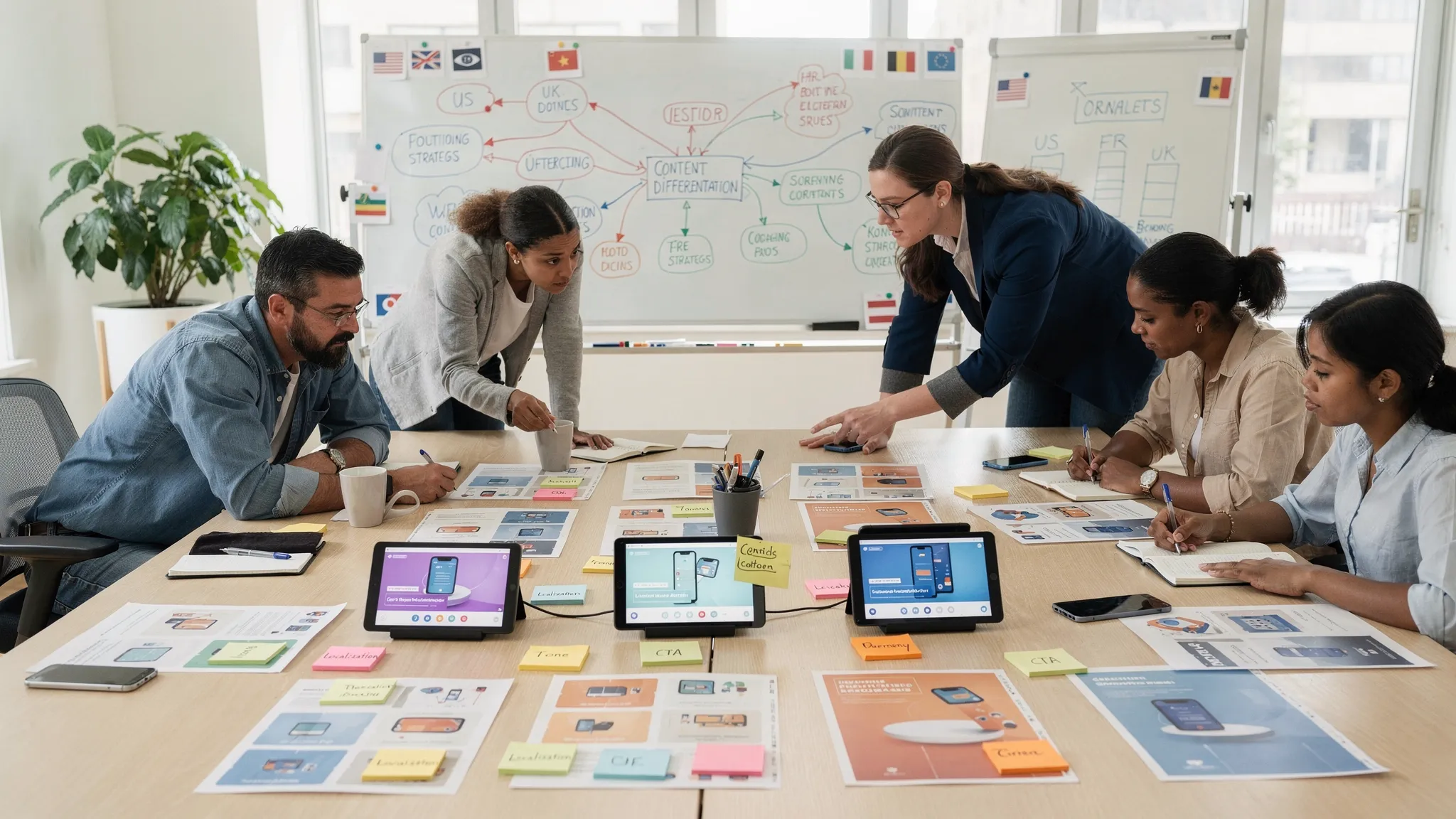
Localization is one of the cleanest ways to avoid duplication because it forces creative changes that audiences actually care about:
If you want a deeper step-by-step process for adapting one idea across markets without losing authenticity, pair this article with TokPortal’s guide on repurposing one video for multiple local markets.
If you sell through TikTok Shop (or you are preparing to), duplication becomes even more sensitive because the platform has strong incentives to protect trust in commerce content.
What to avoid:
What to do instead:
If your growth plan includes multiple countries, make sure the operational side is solved too. That means local accounts, timezone scheduling, and performance tracking.
TokPortal is often discovered through the localization problem (posting into the US, UK, France, etc.). But the long-term value is the operating system for organic at scale.
Once you commit to “same idea, different asset,” you need a way to run volume across accounts without chaos:
If you are new to the platform, start with the Quick Guide to understand the workflow end to end, then check pricing when you are ready to scale.
There are legitimate reasons to repost: a video was removed due to an error, you posted with a broken link, or you are reintroducing a topic months later because your audience has changed.
If you repost, do it as a new creative, not as a duplicate. Re-film a fresh take, update the hook, add new proof, and treat it like a 2026 version of the idea.
A practical mindset: if a returning follower can tell it is the same clip within one second, you are not reposting, you are duplicating.
If you are pushing into multiple markets, originality becomes easier when you have local context. That can mean local creators, freelance editors who understand cultural cues, or regional marketing leadership.
When you need to hire senior GTM talent across regions (sales leaders, marketing leads, client services) it can be worth working with a specialist international recruitment agency that already has cross-border search infrastructure.
The point is not “hire a giant team everywhere.” The point is: originality is a production and operations problem, not just a creative preference.
Organic marketing rewards consistency, but it punishes copy-paste scaling. If you want durable reach across countries, accounts, and catalogs, build a system that generates unique assets from a repeatable engine.
If you are ready to scale global posting the right way, start at TokPortal and create your first set of geo-verified accounts, then use scheduling and analytics to manage variants across markets without duplication.


 Any question? Contact us.



%401x.svg)